Technique
Immediate Implant Placement
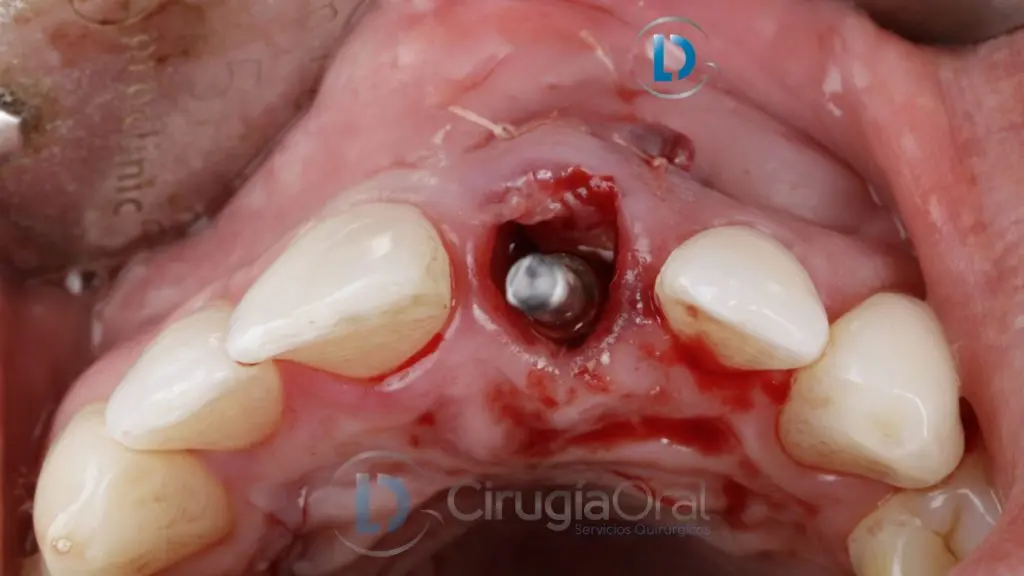
Immediate Implant Placement is one of the most valuable approaches in modern implant dentistry, helping reduce treatment time while preserving bone and soft tissue architecture. When performed with proper planning and surgical judgment, it can improve both efficiency and long-term restorative outcomes.
During our live surgical training program, participants gain practical experience managing extractions, implant positioning, tissue preservation, and restorative planning in real clinical situations under direct expert supervision.
What it involves
Understanding Immediate Implant Procedures
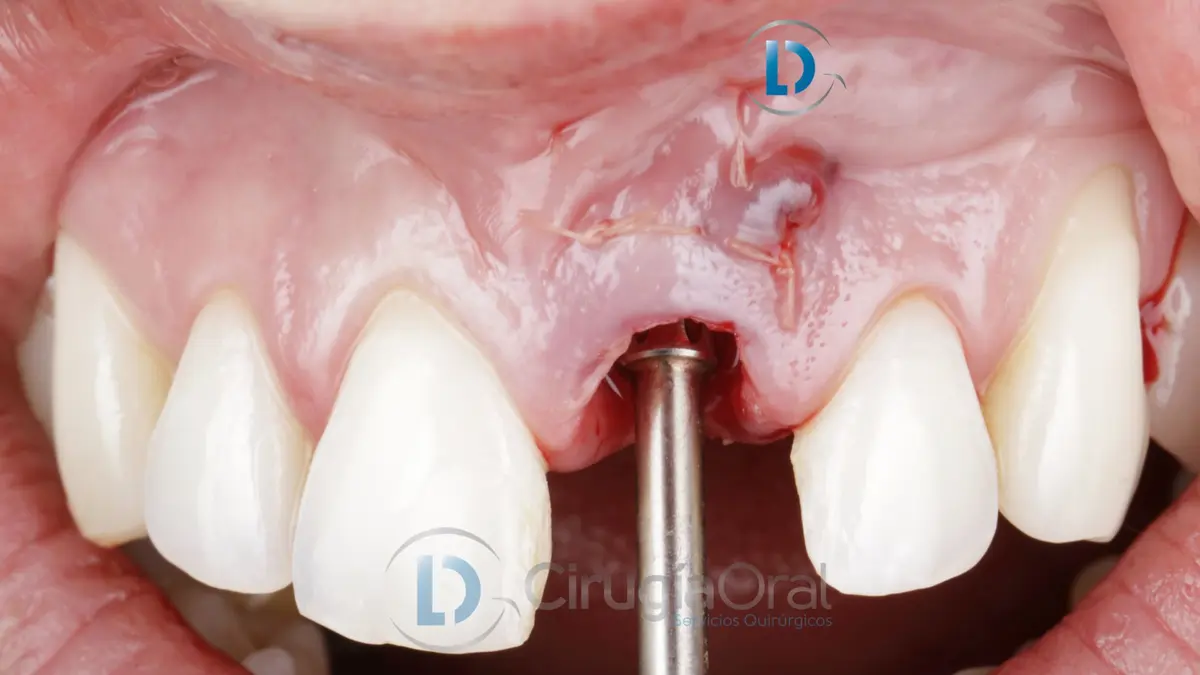
Placing an implant at the time of extraction requires far more than simply inserting an implant into a fresh socket. Success depends on careful diagnosis, atraumatic extraction techniques, primary stability, and a clear restorative objective from the beginning.
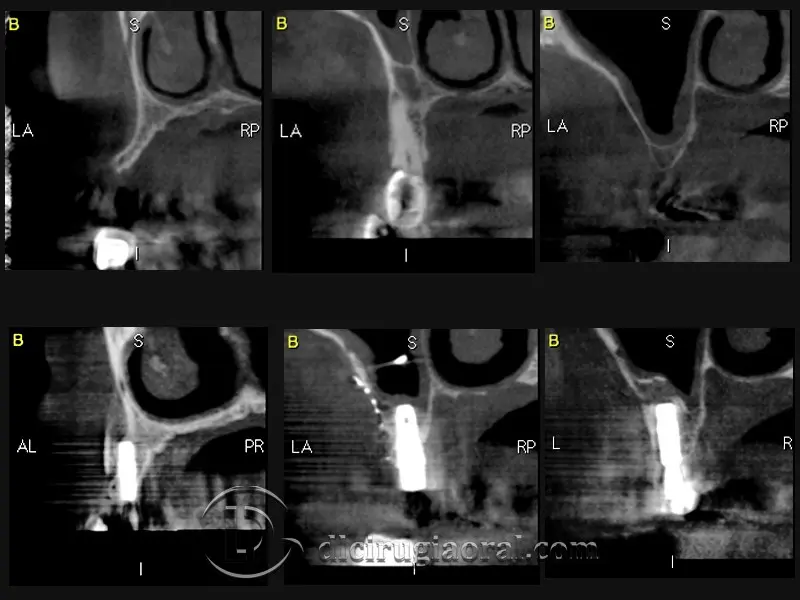
Clinicians must learn how to evaluate bone availability, soft tissue condition, implant positioning, occlusal considerations, esthetic risk factors, and patient-specific anatomical limitations before making surgical decisions.
Developing this type of clinical judgment is essential for achieving predictable outcomes and avoiding complications during treatment.

Why it matters
Why This Technique Matters in Daily Practice
For many patients, reducing the number of surgeries and shortening overall treatment time is a major advantage. At the same time, preserving tissue contours and simplifying future restorative phases can significantly improve treatment acceptance and efficiency in practice.
When properly indicated, this approach may help clinicians:
- Minimize surgical interventions.
- Preserve gingival architecture.
- Improve patient comfort.
- Reduce treatment timelines.
- Enhance restorative predictability.
However, achieving consistent results requires experience with real surgical scenarios and intraoperative decision-making.
The surgery
Extraction, Implant Positioning, and Tissue Management
One of the biggest challenges in post-extraction surgery is maintaining hard and soft tissue stability while achieving correct implant placement. Even small positioning errors can compromise restorative outcomes or affect long-term tissue behavior.
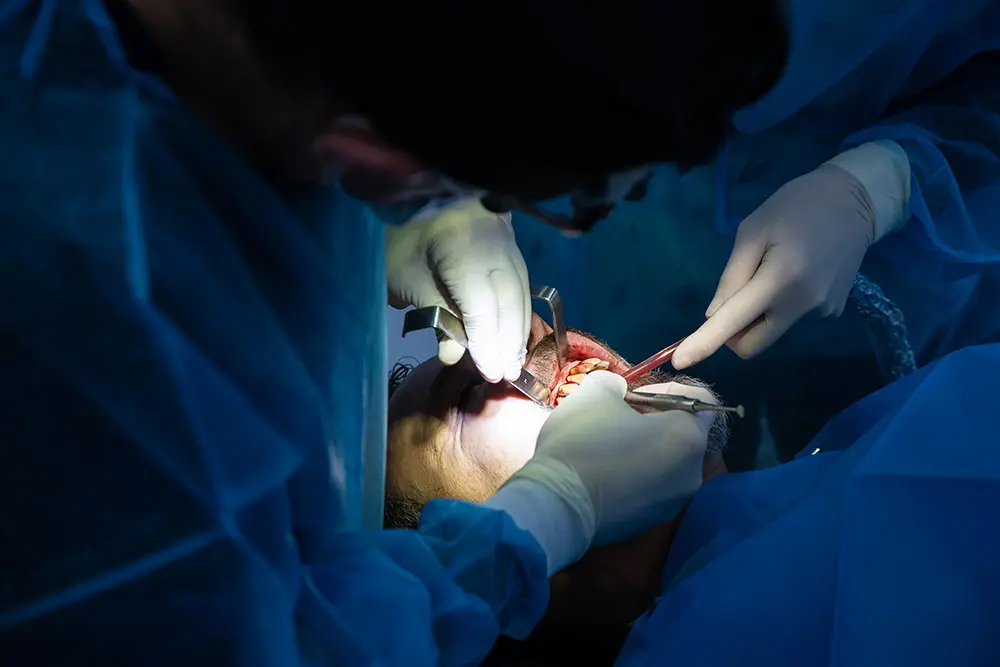
Throughout the course, participants work on real clinical cases involving surgical extractions, site preservation, implant positioning strategies, bone grafting when indicated, and soft tissue closure techniques. Every procedure is performed with direct mentoring in a real clinical environment rather than through simulations or models.
This hands-on approach helps clinicians better understand how surgical decisions influence esthetics, implant stability, and restorative success over time.

The planning
The Importance of Prosthetic-Driven Planning
Successful implant surgery starts with the final restoration in mind. For this reason, treatment planning should not focus only on available bone, but also on prosthetic positioning, emergence profile, and long-term functional stability.
Using digital planning tools, participants learn how to evaluate:
- Implant angulation.
- Restorative space.
- Soft tissue support.
- Functional loading considerations.
- Surgical access and visibility.
This integrated workflow helps clinicians understand the relationship between surgery and restorative outcomes more clearly.
How it is learned
Learning Through Real Surgical Experience
Hands-on clinical experience is one of the fastest ways to improve surgical confidence and decision-making. Rather than spending hours in theory-based lectures, participants actively perform procedures under expert supervision while receiving real-time feedback throughout each surgery.
The training environment is designed to help clinicians develop practical skills in implant placement, soft tissue handling, regenerative procedures, patient management, and surgical workflow execution.
The objective is not only to understand the technique, but to apply it safely and confidently in daily practice.
What you will perform
The techniques, in detail

Waiting list
Want to improve your surgical confidence through real clinical experience?
Join our Live Dental Implant Course USA and train with expert mentors in a hands-on surgical environment with real patients.
- Tijuana – MexicoFebruary 1-2-3, 2027 · Edition full
- São Paulo – BrazilDates coming soon
- Format3 days · live surgery on real patients