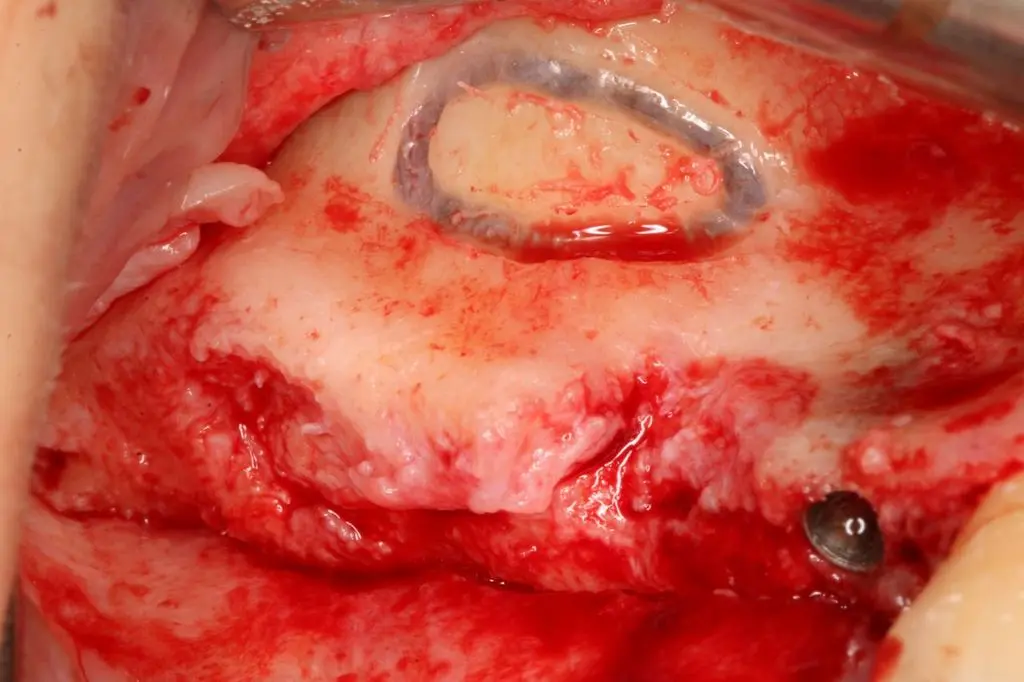
Technique
Sinus Lift Procedure
Sinus lift procedures play a fundamental role in implant dentistry when posterior maxillary bone volume is limited. Understanding how to manage these cases safely allows clinicians to expand treatment options and approach more complex surgical situations with greater confidence.
In our live implant training program, participants gain practical experience in sinus augmentation techniques within a real clinical environment, always under direct supervision from experienced implant surgeons.
When it is indicated
When Sinus Augmentation Becomes Necessary
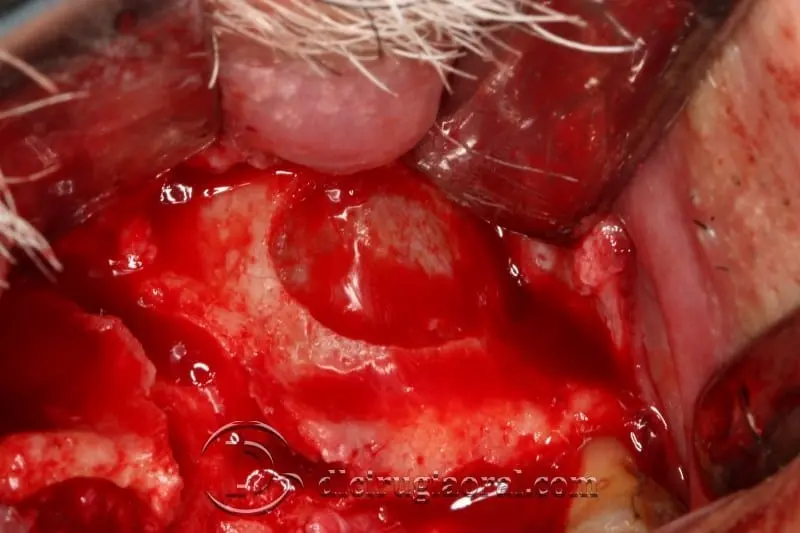
Maxillary posterior regions often present limitations due to sinus pneumatization and reduced bone height following tooth loss. In these cases, implant placement without augmentation may compromise stability and long-term success.
Understanding when to indicate sinus lift surgery requires careful radiographic analysis, clinical judgment, and prosthetic planning. During training, clinicians develop this ability through exposure to real patient cases rather than theoretical examples.

The approach
Surgical Approach and Key Clinical Considerations
Sinus lift procedures require precise technique, anatomical awareness, and controlled handling of delicate sinus membrane structures. Even minor complications can affect graft stability or healing outcomes, making this one of the most technique-sensitive procedures in implant dentistry.
During the course, participants observe and assist in real surgical sinus augmentation cases and gradually progress to performing key steps under supervision. The focus is always on developing safe surgical habits and predictable clinical workflows.
Key clinical factors include:
- Residual bone height evaluation.
- Membrane integrity management.
- Graft material selection.
- Surgical access and visibility.
- Risk assessment for perforation.
- Primary implant stability considerations.
Crestal or lateral
Crestal vs Lateral Sinus Techniques in Practice
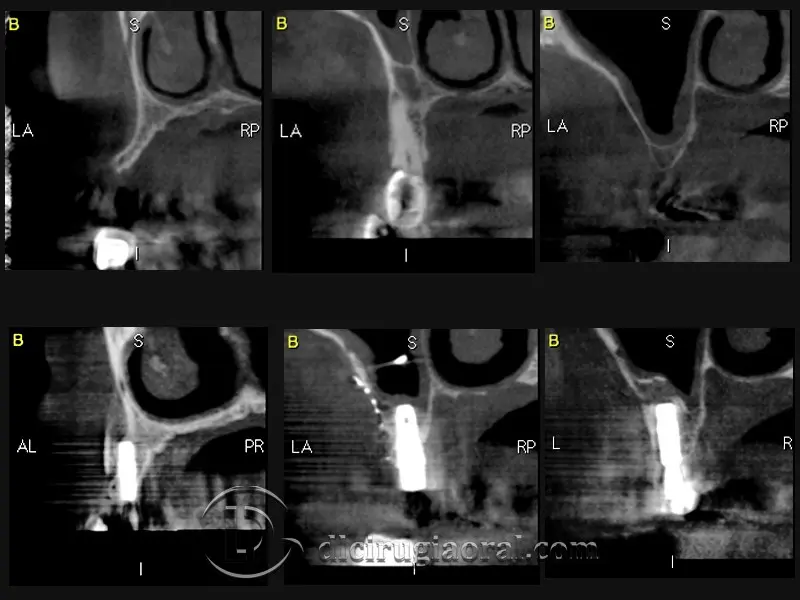
Different clinical situations require different sinus elevation approaches. The crestal (closed) technique is typically indicated in cases with moderate residual bone height, while the lateral window approach is used when more extensive augmentation is required.
Rather than focusing on memorizing protocols, participants learn how to select the appropriate technique based on real clinical anatomy and prosthetic requirements. This decision-making process is developed through guided experience in live surgical cases.
In our training environment, clinicians are exposed to both approaches depending on case complexity, allowing them to understand indications, limitations, and predictable outcomes for each method.

The workflow
Clinical Workflow During Sinus Lift Cases
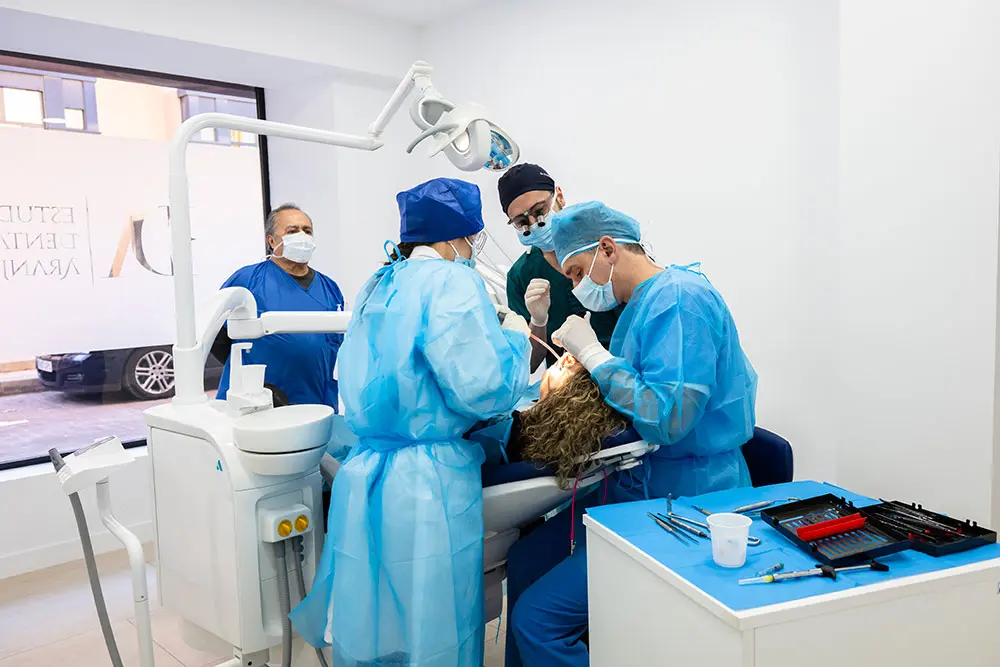
Sinus augmentation is not an isolated procedure but part of a broader implant rehabilitation workflow. From diagnosis to final implant positioning, each step must be carefully coordinated to ensure long-term success.
Participants in the course experience how treatment is structured in real clinical settings, including planning, surgical execution, and prosthetic integration.
The clinical workflow typically includes:
- Pre-surgical CBCT evaluation.
- Treatment planning with prosthetic objectives.
- Sinus elevation procedure (closed or lateral).
- Graft placement and stabilization.
- Implant placement when indicated.
- Post-operative management and follow-up.
Hands on
Hands-On Experience in Maxillary Bone Regeneration
One of the most valuable aspects of this training is the opportunity to participate directly in sinus lift procedures performed on real patients. This allows clinicians to understand tissue behavior, surgical timing, and intraoperative decision-making in a way that cannot be replicated through simulation.
Participants gradually build confidence by assisting, observing, and performing key surgical steps under expert guidance. This progressive learning model ensures safe development of technical skills while maintaining high clinical standards.
The goal is to prepare clinicians to incorporate sinus augmentation procedures into their daily implant practice with confidence and predictable outcomes.
What you will perform
The techniques, in detail

Waiting list
Ready to advance your surgical skills in maxillary augmentation?
Join our Live Dental Implant Course USA and gain hands-on experience in sinus lift procedures with real patients and expert mentoring.
- Tijuana – MexicoFebruary 1-2-3, 2027 · Edition full
- São Paulo – BrazilDates coming soon
- Format3 days · live surgery on real patients