Technique
Soft Tissue Management in Implantology
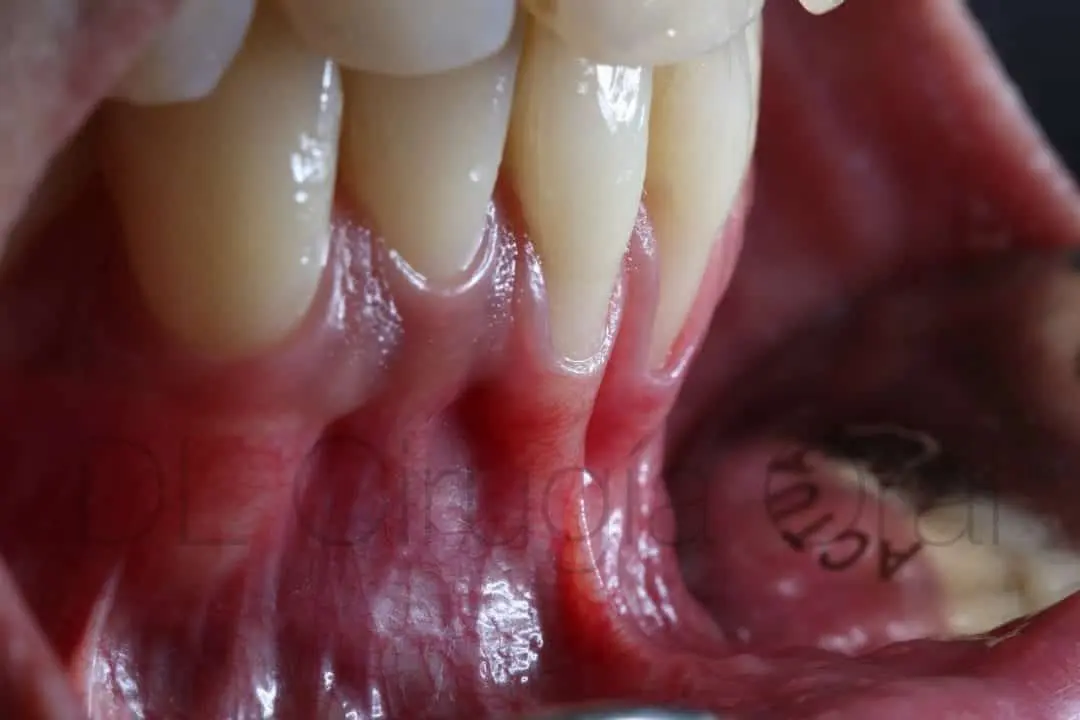
Soft tissue grafting plays a critical role in achieving stable, functional, and esthetic implant outcomes. While implant placement often receives most of the attention, the quality and volume of soft tissue can significantly influence long-term success, patient comfort, and the final restorative result.
For this reason, modern implant dentistry requires clinicians to understand not only implant surgery but also the biological principles that support healthy peri-implant tissues. Through real patient training, participants gain practical exposure to tissue management techniques and surgical decision-making in everyday clinical situations.
Why it matters
Why Soft Tissue Quality Matters Around Implants
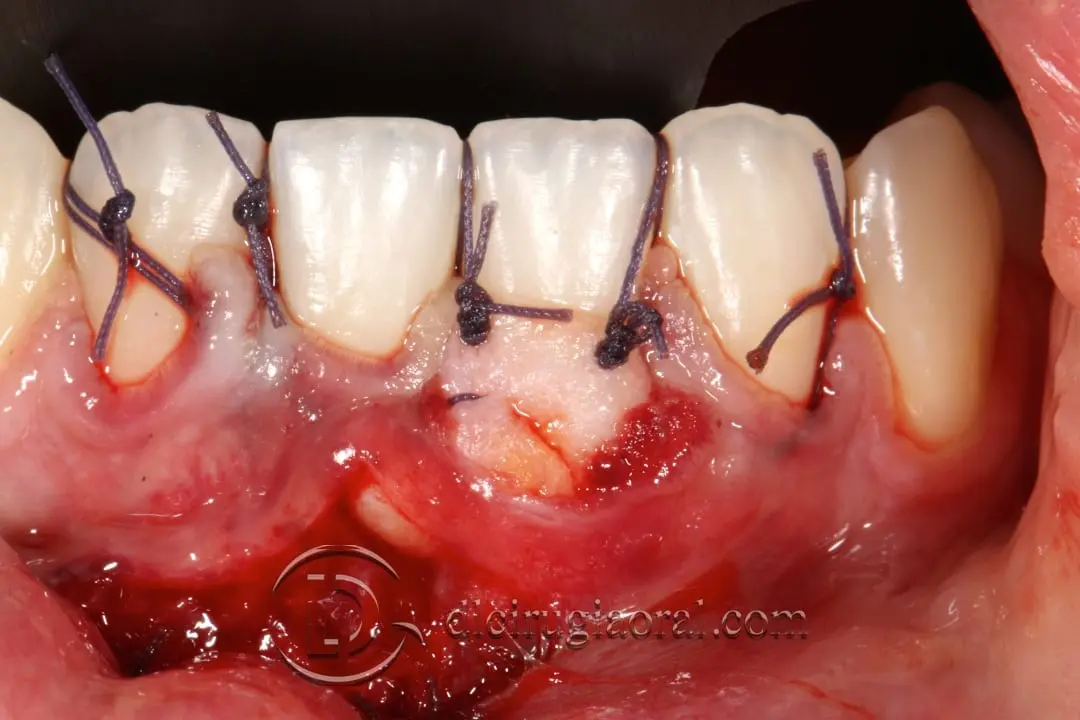
Healthy peri-implant tissue contributes to esthetics, hygiene maintenance, tissue stability, and long-term implant health. In many cases, insufficient keratinized tissue or inadequate tissue thickness can increase treatment complexity and compromise outcomes.
During training, clinicians learn how to assess tissue conditions before surgery and identify situations where soft tissue enhancement may improve treatment predictability. Understanding these indications is a fundamental part of comprehensive implant treatment planning.

The procedures
Common Grafting Procedures in Clinical Practice
Different clinical situations require different approaches to tissue augmentation. The choice of technique depends on factors such as tissue volume, implant position, esthetic demands, and patient-specific anatomy.
Participants are exposed to procedures commonly used in implant dentistry, including:
- Connective tissue grafts (CTG)
- Free gingival grafts (FGG)
- Tissue thickening procedures
- Soft tissue contour enhancement
- Peri-implant tissue management
- Flap design and closure techniques
These procedures are performed within complete treatment workflows rather than as isolated exercises.
In the treatment
Integrating Tissue Management Into Implant Treatment
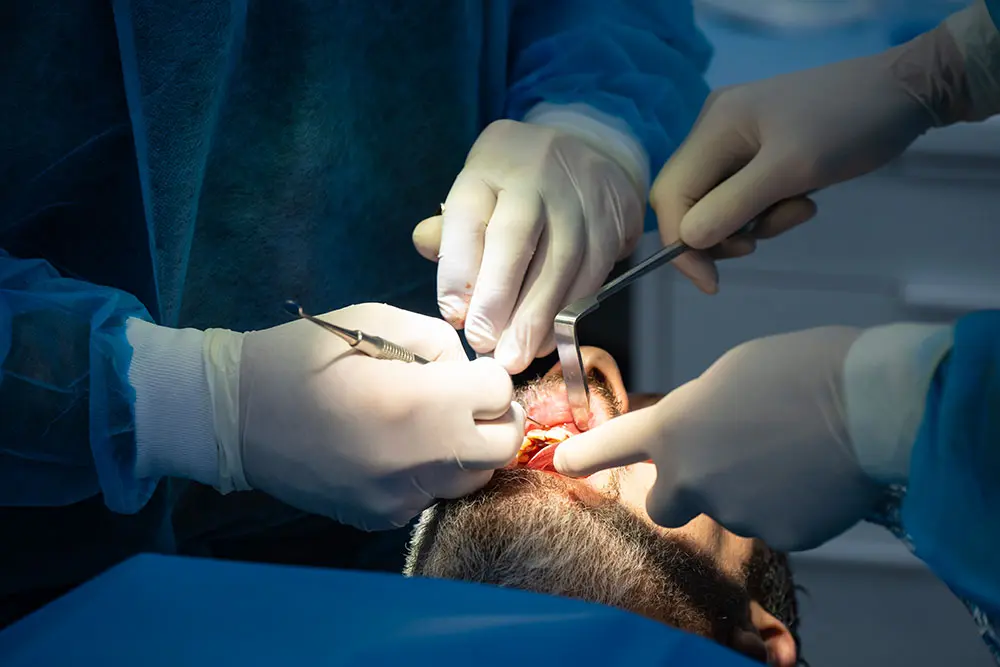
Soft tissue procedures should not be viewed as separate from implant surgery. In many cases, tissue management begins during extraction, implant placement, or bone augmentation and continues throughout the restorative process.
Understanding when and how to intervene is often more important than mastering a single surgical technique. Through direct clinical experience, participants learn how tissue behavior influences esthetics, healing, and long-term implant maintenance.
This integrated approach helps clinicians develop a more complete understanding of implant therapy and improve the predictability of their results.

The skills
Key Skills Developed During Training
Successful soft tissue management requires precision, careful handling of tissues, and an understanding of wound healing principles. These skills are difficult to acquire through lectures alone and benefit greatly from direct clinical application.
Throughout the course, participants develop experience in:
- Tissue evaluation and diagnosis
- Surgical flap management
- Graft harvesting principles
- Suturing and tissue stabilization
- Healing assessment
- Esthetic risk management
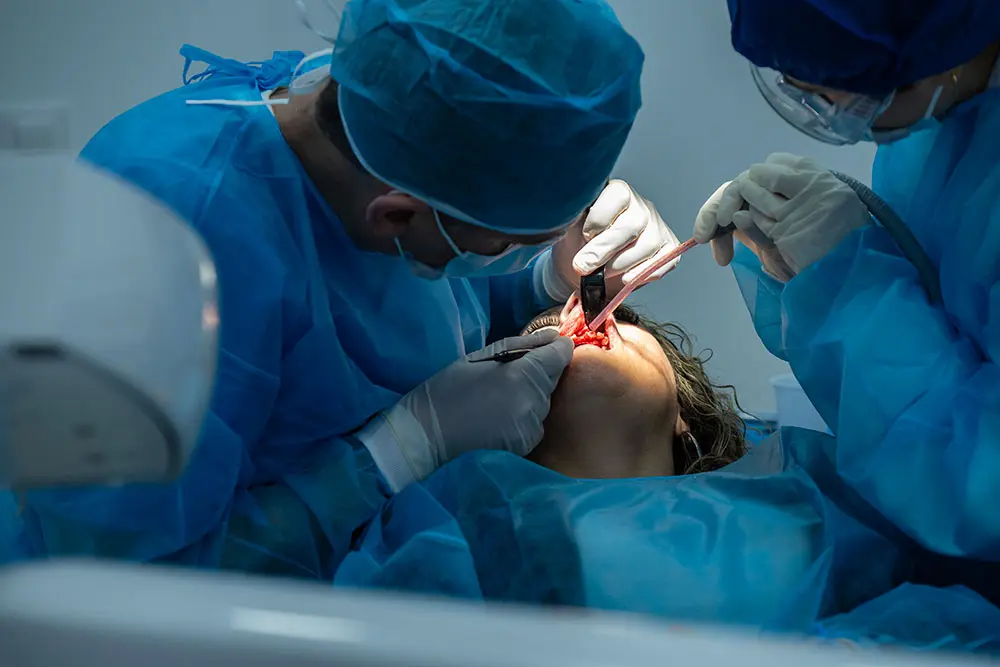
Each procedure is performed under expert supervision with real-time feedback throughout the surgical process.
On real cases
Learning Through Real Clinical Cases
One of the greatest advantages of live patient training is the opportunity to observe how tissues respond during surgery and throughout healing. Real cases present variations in anatomy, tissue quality, and treatment objectives that cannot be fully reproduced in simulated environments.
By participating in real surgical procedures, clinicians gain practical knowledge that extends beyond technical execution. They learn how to adapt treatment plans, manage unexpected findings, and make clinical decisions that support long-term implant success.
The objective is to build confidence in tissue management while understanding its essential role within modern implant dentistry.
Waiting list
Looking to improve your soft tissue management skills in implant dentistry?
Join our Live Dental Implant Course USA and gain hands-on experience with soft tissue grafting procedures under expert surgical mentoring.
- Tijuana – MexicoFebruary 1-2-3, 2027 · Edition full
- São Paulo – BrazilDates coming soon
- Format3 days · live surgery on real patients